






North America's Largest Exotic Pet Practice

Arizona Exotic Animal Hospital provides complete veterinary services for all types of exotic pets:
- Small Mammals – Ferrets, Rabbits, Guinea Pigs, Chinchillas, Sugar Gliders, Degus, Rats, Mice, Hamsters, Gerbils, and other Small Mammals
- Reptiles and Amphibians-- Tortoises, Turtles, Lizards (Geckos, Iguanas, Monitors, Bearded Dragons), Snakes (We will see venomous snakes by special appointment only), Frogs, Salamanders, Caecilians
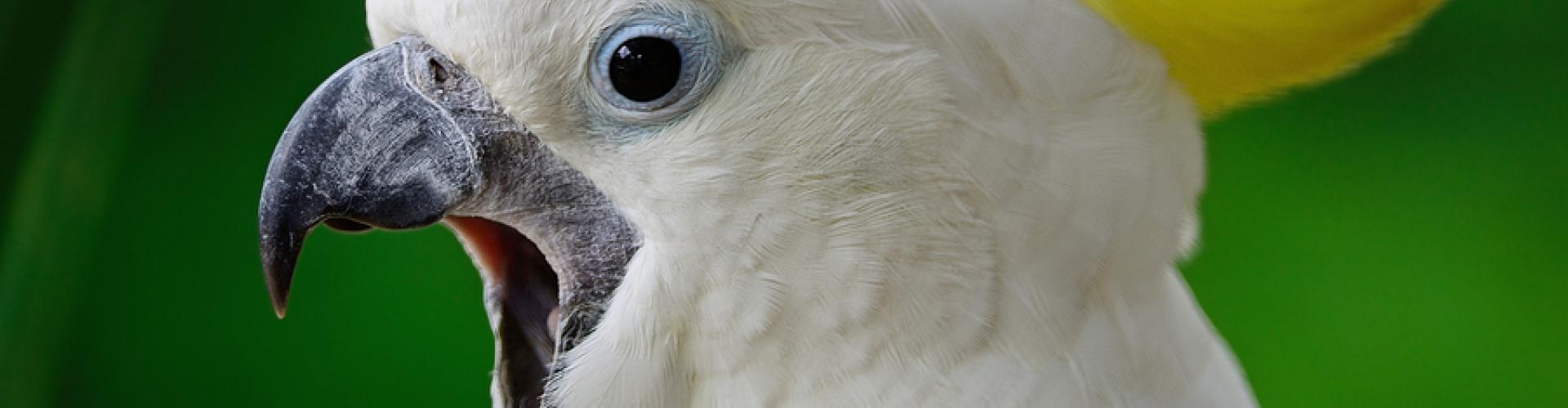
- Birds-- Macaws, Cockatoos, Parakeets, Cockatiels, lovebirds, Canaries, Finches, Chickens, Ducks, Geese, Swans, and Others
- Fish and other aquatic animals – Freshwater (Koi, Goldfish, Tropical fish), Saltwater (Fish, Corals, invertebrates)
- Larger Mammals -- Pot-bellied and other miniature Pigs, Goats, Patagonian Cavies, Capybara
- Invertebrates —Tarantulas, Scorpions, Crabs
We do not treat dogs and cats, so that we can focus exclusively on exotic pets! Thus, we ask that you leave these pets at home for the comfort and safety of all patients and clients. If you have a registered service or therapy animal, please contact us before your visit for details.
Across our locations in Arizona, Oregon and Colorado, we have many experienced exotic pet veterinarians on staff, including three board certified Avian Specialists, two Exotic Companion Mammal Specialists and a crew of certified veterinary technicians and animal care staff . Our Mesa office is easy to access via the US60, 202 and 101 Freeways, and our Phoenix office is just off the I-17 and 101 Freeways. Our Tucson office is on Grant Road just east of Swan. We are easy to reach from anywhere in the valley.
We also have an exotic pet food and supply store with diets, supplements and other supplies we recommend to keep your pets healthy and happy.
We work with wildlife rehabilitation organizations, exotic pet rescue groups, enthusiast groups, private pet shops and other vets around the Valley. Learn more about these programs.
Arizona Exotic Animal Hospital looks forward to providing the best vet care and boarding your special pets can get! Please use the form below to schedule an appointment (in-office or house call) or request boarding dates. A deposit is required to schedule all consultation appointments and surgical procedures.
If you are a new client to our practice, please fill out our Client Profile.
Our online appointment scheduler is for veterinary service appointments with our veterinarians made in advance. If you need an appointment within 2 days, please call us at:
- 480-275-7017 (East Valley)
- 623-243-5200 (West Valley)
- 520-305-0055 (Tucson)
New clients get 10% off on their first visit if they mention the new client discount. Please request this at check-in and verify it has been applied to your invoice before you check out as it is only applicable at the visit time.
We will call to confirm all online appointment requests by phone within 3 days. Please note, your appointment is not set until you have received a confirmation call from one of our staff. If you do not hear from us within three days confirming your appointment you do not have an appointment or reservation and you need to call us.
If you have an emergency, please call us:
- 480-275-7017 (East Valley)
- 623-243-5200 (West Valley)
- 520-305-0055 (Tucson)
We accept: Cash, Visa, Mastercard, Discover, American Express, CareCredit, and Cherry. Please note you must be 18 years or older to make medical and financial decisions for your pet.